

Being locked out in downtown Toronto is not just an inconvenience—it is usually a time-sensitive interruption that affects work, safety, or daily routine. Unlike suburban areas, downtown environments introduce access complexity, traffic delays, and building security layers that directly impact how quickly a locksmith can resolve the situation.
Most emergency lockouts in the downtown core happen in residential condos, but commercial and retail lockouts are also common. Each environment has its own constraints, and understanding how these situations unfold helps set realistic expectations.
This is the most frequent emergency scenario in high-rise buildings. Many modern condos use self-locking mechanisms where the door automatically engages the deadbolt when it closes. Residents step outside briefly—often to grab deliveries, go to the gym, or take out garbage—and the door locks behind them instantly. In many cases, they do not realize keys are still inside until they attempt to re-enter.
In fast-paced downtown living, distractions are constant. A resident may step out while taking a call or handling packages, leaving keys on a counter or in the door lock. Once the door closes, entry becomes impossible without professional help.
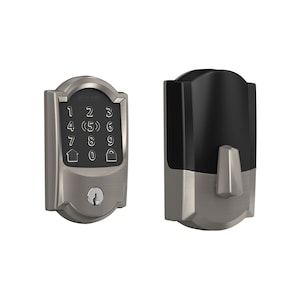
Many newer condos use electronic entry systems. While convenient, these systems introduce new failure points such as drained batteries, incorrect PIN entries locking the system temporarily, or app connectivity issues. In winter conditions, battery performance can degrade faster, leading to unexpected lockouts.
Unlike private homes, condos require coordination with concierge staff or security desks. A locksmith often must verify identity, explain purpose, and sometimes wait for authorization before proceeding to the unit.
Even after entry into the building, reaching upper floors depends on elevator availability and permissions. In peak hours, this adds real-time delays that are unrelated to locksmith skill but still affect response time.
Downtown Toronto traffic is highly variable. A five-kilometer trip can take ten minutes or forty minutes depending on time of day. Parking near residential towers is also limited, often requiring coordination with loading zones or underground garage access.

In most residential lockout cases, entry is achieved without damage. Locksmiths use specialized tools designed to manipulate the internal pins of standard cylinders. This method preserves the lock and door integrity.
Certain lock designs allow safe bypassing techniques that do not require opening the cylinder itself. These methods are used only when appropriate and safe for the hardware.
Drilling is a last-resort option used only when the lock is severely damaged, broken internally, or when high-security failure prevents other entry methods. Even in these cases, the goal is controlled access with minimal replacement cost afterward.
The locksmith first identifies the type of door, lock system, and building constraints. This includes determining whether it is a standard deadbolt, a smart lock, or a high-security cylinder.
Based on the assessment, a decision is made between picking, bypass, or controlled drilling. The priority is always non-destructive entry whenever possible.
In most downtown Toronto lockouts, once physical access begins, resolution takes between 10 and 30 minutes. However, total service time includes arrival, building access, and coordination with security staff.
A common scenario involves a resident in a King West condo stepping out briefly and the door locking behind them due to an automatic deadbolt. In this case, the locksmith must first park in a restricted loading zone, check in with concierge, and wait for elevator access. Once at the unit, standard residential entry techniques resolve the issue quickly without damage.
In commercial cases, such as a retail store in the Entertainment District, lockouts often occur after staff forget keys during closing shifts. These situations are more time-sensitive because businesses may lose operating hours. Entry methods depend on storefront lock type, often involving commercial-grade cylinders or glass door locking systems.
Lockouts rarely happen at convenient times. Late-night condo lockouts and early morning commercial access issues are common in downtown Toronto. Because of this, emergency locksmith services operate continuously, ensuring coverage during weekends, holidays, and overnight hours.
Downtown Toronto lockouts are defined less by the lock itself and more by the environment surrounding it. Building access systems, traffic conditions, and security protocols all influence how quickly the situation is resolved. A professional locksmith does not only open locks—they navigate an urban system designed for controlled access.