

Downtown Toronto moves fast — and when it comes to locks, the trends shift quicker than you’d think. Whether you’re a condo owner near Yonge & Bloor, a restaurant manager in Queen West, or running a small office by Spadina, your locks need to keep up with 2025.
We’re in and out of homes, shops, and high-rises all day long — and we’ve seen the change. So here it is: what’s out, what’s working, and what’s the real deal in lock security this year in the 6ix.
Remember when digital locks used to feel like overkill for a condo unit or family home? That’s changed. Keyless entry is now a go-to, especially in Toronto condos and newer reno projects across downtown.
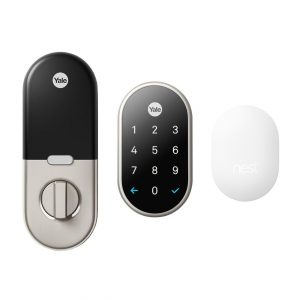
The latest Schlage and Wi-Fi connected deadbolts are flying off the shelves. Smart lock systems with keypad entry or mobile app control are now standard in new builds and offices. Why? No more keys to copy or lose, and you get full control over who gets access and when.
Plus, with remote lock/unlock via app, you can check if your back door’s locked from the subway. That’s peace of mind Toronto folks want.
Across downtown Toronto, we’re installing fewer traditional pin-and-tumbler locks and more electronic or hybrid systems. Especially in commercial spots — coworking offices, clinics, and even cafés — folks want programmable access. Think keypads, RFID card readers, or Wi-Fi-controlled locks.
In high-rise condos around the Financial District and St. Lawrence Market, we’re swapping out cheap builder-grade locks and deadbolts for higher-end multi-point locking systems. People want secure, sleek, and smart — especially after a couple of neighbour break-ins.
Let’s be honest: if you’re still using the same lock that came with your house in 2008, it’s time to move on. Here’s what’s on our “replace now” list:
Old-school knob locks: These are way too easy to bump or pick.
Basic deadbolts with single screws: Most don’t survive a good kick-in attempt.
Cheap key-in-knob sets from big box stores: Some of these can be bypassed in under 30 seconds. We’ve tested it.
Locks with the same key for every unit in older buildings (yes, it still happens!).
If your lock has been around since the Raptors won their first ring, it’s due for a reality check.
People think new lock = better security, but often all you need is rekeying. Especially after:
Buying a new condo or home
A roommate moves out
Changing staff or cleaning crews
A tenant leaves your rental
Instead of replacing the whole lock, we reconfigure the inside pins and give you a new key. The old keys stop working — no one else can use them. Fast, way cheaper than new hardware, and done in one visit.
We recommend rekeying even if you’re not sure how many spare keys are floating around. It’s a small move with big peace of mind.

Based on reports and customer calls in the last year, here’s what we’ve learned:
Back doors and side doors are still weak points, especially those with old knobs or cheap deadbolts.
Garage man doors (the side door, not the big one) are a common entry for thieves.
Unlocked balcony doors are now a real problem in low-rise buildings and townhomes.
Key boxes and lockboxes are being targeted and easily opened — they’re not as secure as you think.
This is why our downtown team recommends multi-lock entry systems (like Mul-T-Lock or Medeco), smart deadbolts, and stronger strike plates for entry doors.
Here’s the real-deal advice we’re giving customers right now:
For condos: Go for a smart deadbolt with app access or keypad — no keys to carry, and you can monitor entry logs. Brands like Schlage Encode or Yale Assure are killing it.
For commercial spaces: RFID card systems or keypad locks for staff rooms and inventory areas. Upgrade those ancient lock-and-key doors to programmable ones.
For homes: Combo sets with sturdy lever handles and a high-security lock (not your standard deadbolt from the hardware aisle). Plus, reinforce the frame with a strike plate kit. It’s about the whole system, not just the lock.
And if you’re not sure what you’ve got, we offer walk-throughs where we assess all exterior locks, test their strength, and recommend changes. No hard sell. Just straight-up advice